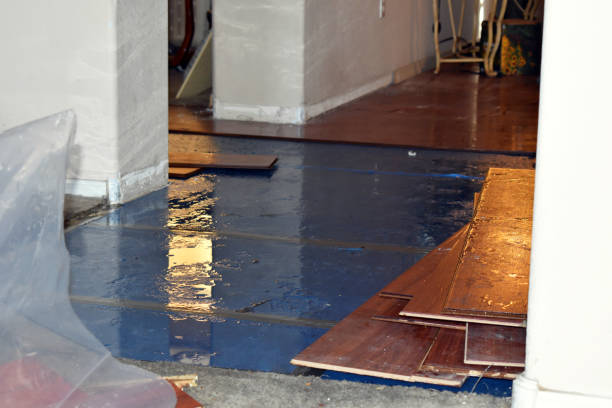
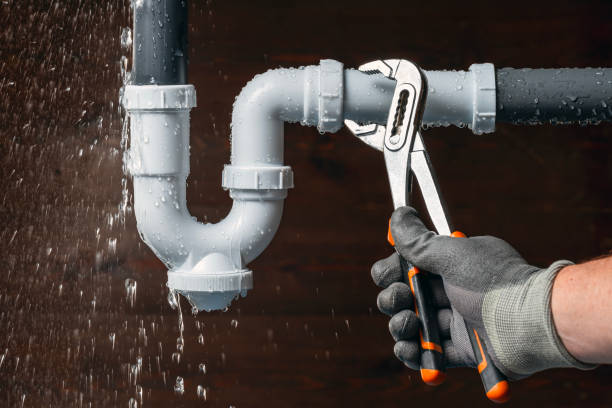
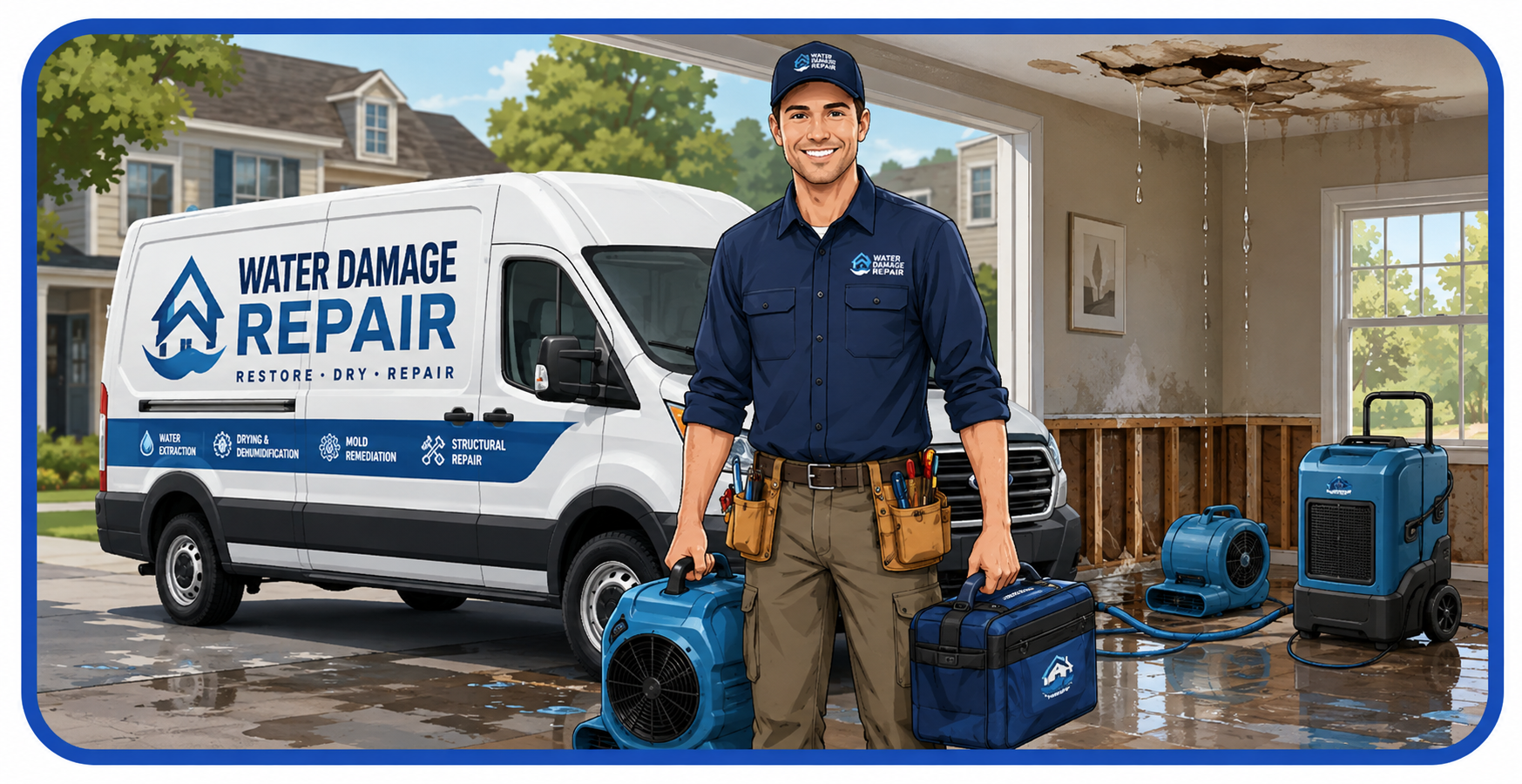
There's a specific kind of dread that comes with standing water spreading across a Philadelphia living room floor. We're built to shorten that window between the panic and the fix.
Call +1-844-578-1604
Crews staged inside Philadelphia limits
Flat-rate quote before any equipment runs
Licensed & insured, verifiable on request

We run our Philadelphia operation on IICRC-certified technicians and commercial-grade equipment, not a subcontractor list we pull from when the phone rings.
Local pricing means local pricing — our Philadelphia estimates reflect actual regional labor and material costs, not a national average that leaves you either overpaying or underinsured.
We also keep documentation formatted the way insurance adjusters actually want to see it, since most of our jobs end up crossing an adjuster's desk at some point.
Water damage rarely starts as a dramatic flood — it usually starts small, and these are the signs worth acting on before the damage spreads further.
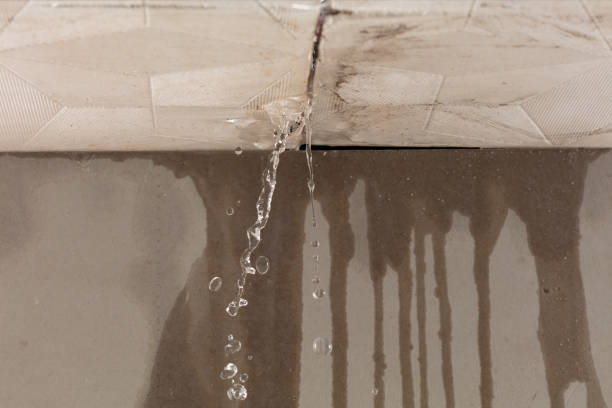
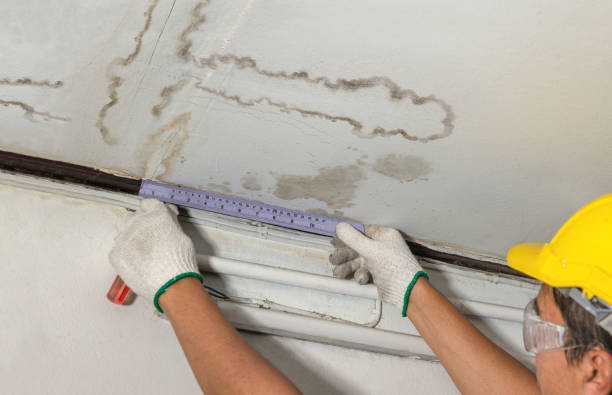
Repainting over a recurring ceiling stain treats the symptom, not the leak still feeding it from above or behind the surface. The stain returning is the actual diagnosis.
If a dehumidifier and open windows don't clear the smell within a day or two, there's an active moisture source that ventilation alone won't solve.
A hollow sound from tile that used to sound solid usually means the mortar bed lost adhesion from sustained moisture underneath.
Catching a hidden leak through the water bill is far cheaper than waiting for it to surface as a flooded room.
Bubbling paint near a baseboard or exterior wall usually means moisture is pushing through from behind rather than a simple application defect.
Mold that returns after a bleach cleaning is a sign the moisture source behind it was never actually addressed.
If more than one of these sounds familiar, it's worth a professional moisture check sooner rather than later.
We don't split Ceiling Water Damage Repair into separate vendors for extraction, drying, and repair — one crew stays accountable for the whole job, from the first wet-vac pass to the final coat of paint.
The equipment on our trucks scales up or down to the job, but the process — assess, extract, dry, verify, repair — doesn't change.
Moisture meters classify the water as Category 1, 2, or 3 on arrival, which determines whether it's a straightforward extraction or a full contamination protocol.
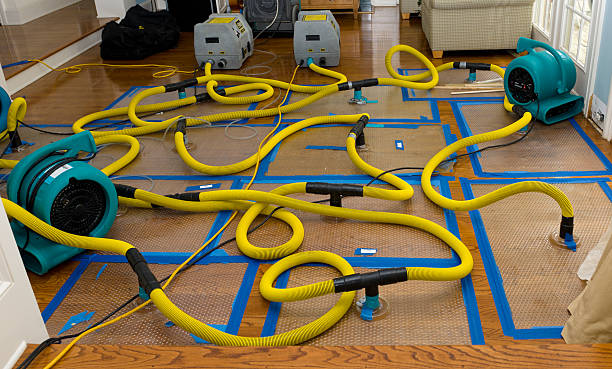
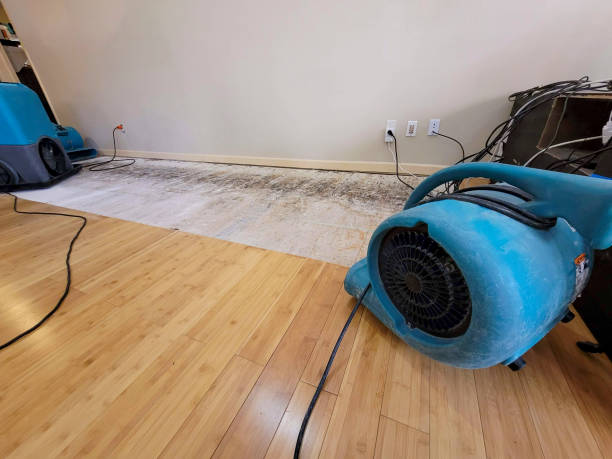
Air movers and dehumidifiers get placed according to psychrometric readings taken at assessment, not a default layout used on every job regardless of conditions.
Blackwater intrusions call for full PPE, controlled removal of porous materials that can't be sanitized, and hospital-grade disinfection before any reconstruction starts.
If mold has already started, containment with negative air pressure goes up before any demolition begins, so spores don't travel to unaffected rooms.
One contract from extraction through reconstruction means you're not managing two separate companies and two separate invoices.
Furniture, electronics, and documents get assessed on-site, with salvageable items cleaned and stored while the space dries.


Four steps, no guesswork — here's exactly what happens between your call and a verified-dry structure.
A live dispatcher, not a voicemail tree, takes your call and asks a few quick questions about the source and severity so the crew rolls out prepared.
Photo and moisture documentation happens before any equipment gets touched, which protects your insurance claim later.
Extraction and drying run as one continuous process rather than two separate scheduled visits.
Moisture readings confirm the structure meets a safe drying standard before we hand over documentation and move into reconstruction.
We built the checklist below around the actual complaints people have about restoration companies in general, then made sure Aqua Guard Water Damage doesn't repeat them.
Every technician carries IICRC certification, and every crew works fully insured — documentation available whenever you want it.
Regionally staged trucks mean a crew often arrives before a national chain's call center finishes the intake questionnaire.
The number we quote is the number you pay, regardless of how long the drying cycle runs.
A guarantee only counts if it's backed by a second moisture reading, not just good intentions.
Every job closes with documented moisture verification, because a promise without data behind it isn't much of a promise.
This isn't marketing copy — it's the actual checklist our crews sign off against before a job is marked complete.
Call +1-844-578-1604Aqua Guard Water Damage routes crews across Philadelphia and its surrounding zip codes, including 39350, so response times hold steady no matter which side of town the call comes from.
Coverage extends past the city core into the surrounding Philadelphia suburbs, so an outlying address isn't treated as a second-tier call.

"I've dealt with contractors before who talk a big game and disappear. The crew here in Philadelphia actually showed up on time and stayed in touch through the whole drying process."
Renee A., Philadelphia"They found mold starting behind our baseboards before it spread and handled containment properly instead of painting over it like a previous company tried."
Owen D., Philadelphia"Professional from the first call to the final walkthrough, and they re-tested moisture before closing the job instead of eyeballing it."
Fatima J., Philadelphia"The reconstruction crew matched our original flooring almost exactly after the repair — you'd never guess there was ever a leak."
Lucas P., Philadelphia"Getting a daily drying log meant we always knew where the job stood instead of a vague verbal update."
Grace T., Philadelphia"Working a commercial job around our business hours could have been a scheduling nightmare, but they made it simple."
Nathaniel W., Philadelphia"A cracked supply line under our kitchen sink went unnoticed for days, and by the time we called, the subfloor was saturated. They only replaced what actually tested wet, not the whole floor."
Bianca H., Philadelphia"They explained the crawl space drainage issue in plain terms instead of technical jargon, and fixed it on the spot rather than scheduling a separate trip."
Derek S., Philadelphia"They found the actual source of the leak instead of just drying the surface damage, which saved us from the same problem happening again in a month."
Melissa C., Philadelphia"Being out of town when it happened was stressful enough — having a crew that could work directly with our property manager made it manageable."
Victor N., Philadelphia